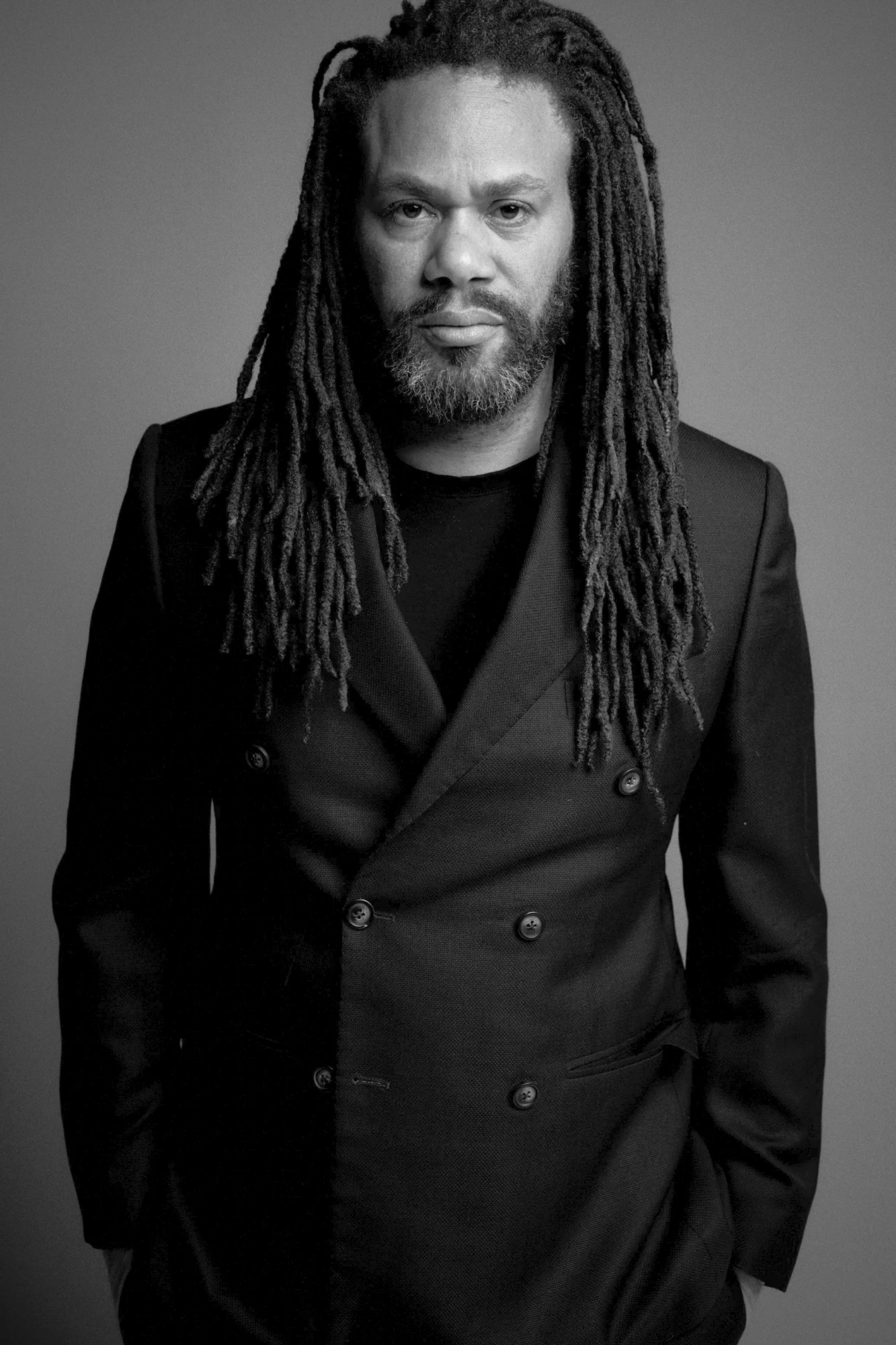
I give a talk,
I answer questions, or
I run a conversation.
However long or short you need. I’ve spent twenty years making the argument, taking the questions, and asking them. The job is the same in any chair: get past the answer people came ready to hear or give.
The talk
What I get asked about
How an industry becomes certain of something that isn’t true
How the belief forms inside a company that seems to be working just fine, why it survives contact with evidence, and what it costs, even if no one realizes it. Most organizations are better at judging the opportunities that arrive than finding ones that never do.
Building judgment that outlives you
The Black List survey works because I wasn’t the one deciding what went on it. On designing a system of discovery whose authority doesn’t depend on any one person’s eyes, and how to make judgment calls more effective when no one can be sure what will happen.
There was never a shortage of good work
Why “pipeline problem” is a phrase you hear all the time, and why it’s almost always the wrong diagnosis. It is a cheaper thing to believe than the alternative, and it protects the people who would otherwise have to go looking.
I make these arguments in print too, at length and for free — in the New York Times, the Washington Post, The Hollywood Reporter and Vanity Fair. If your audience wants the version with the numbers in it, they can have it.
On stage
The argument, in a room

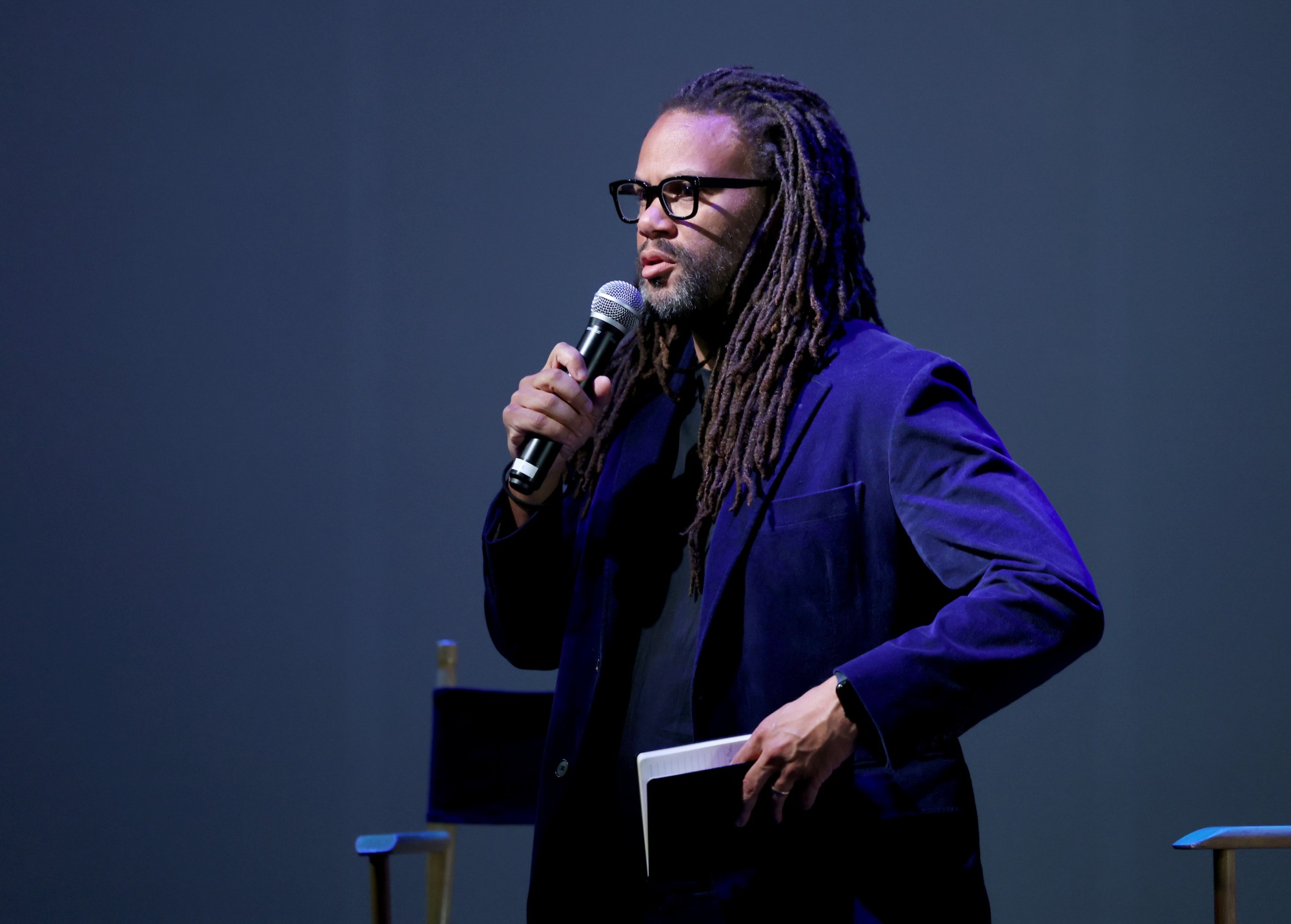
Outside film: The realist’s guide to changing the world, speaking in the last session of the day to about a thousand people at the 99U Conference in New York — Adobe’s annual gathering for designers, founders and working creatives. On video, the TEDx talk, sixteen minutes and 1.8 million views, is the origin version of the argument, and Brief But Spectacular on PBS NewsHour, under three minutes, is the shortest and plainest version of the whole thing.

Taking the questions
The long ones are better
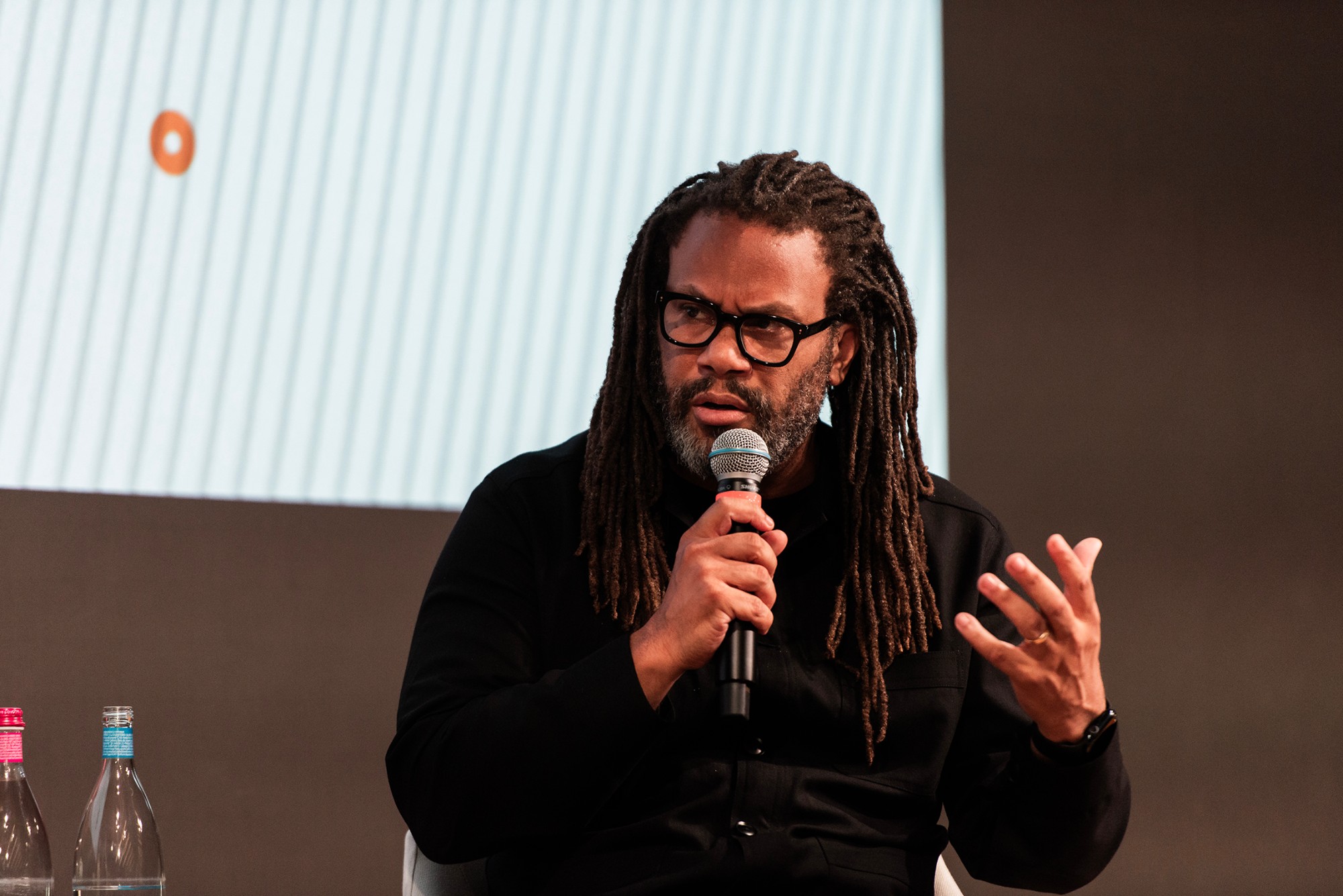
- Masters of ScaleA full episode with Reid Hoffman on finding the value other people miss.
- Upending Hollywood from the insideAspen Ideas Festival — an hour with Michael Eisner asking me the questions, which is as rigorous as you’d imagine it to be.
- Planet MoneyNPR — a dedicated episode on the economics of the annual Black List.
- Recode DecodeWith Kara Swisher, 2020.
- Nieman StoryboardThe Nieman Foundation for Journalism at Harvard, 2025.
- Team DeakinsWith Roger Deakins, 2023.
Also Nasdaq, The Lunch with Richard Rushfield, WTF with Marc Maron, and The Town.

Asking the questions
The second question is the job
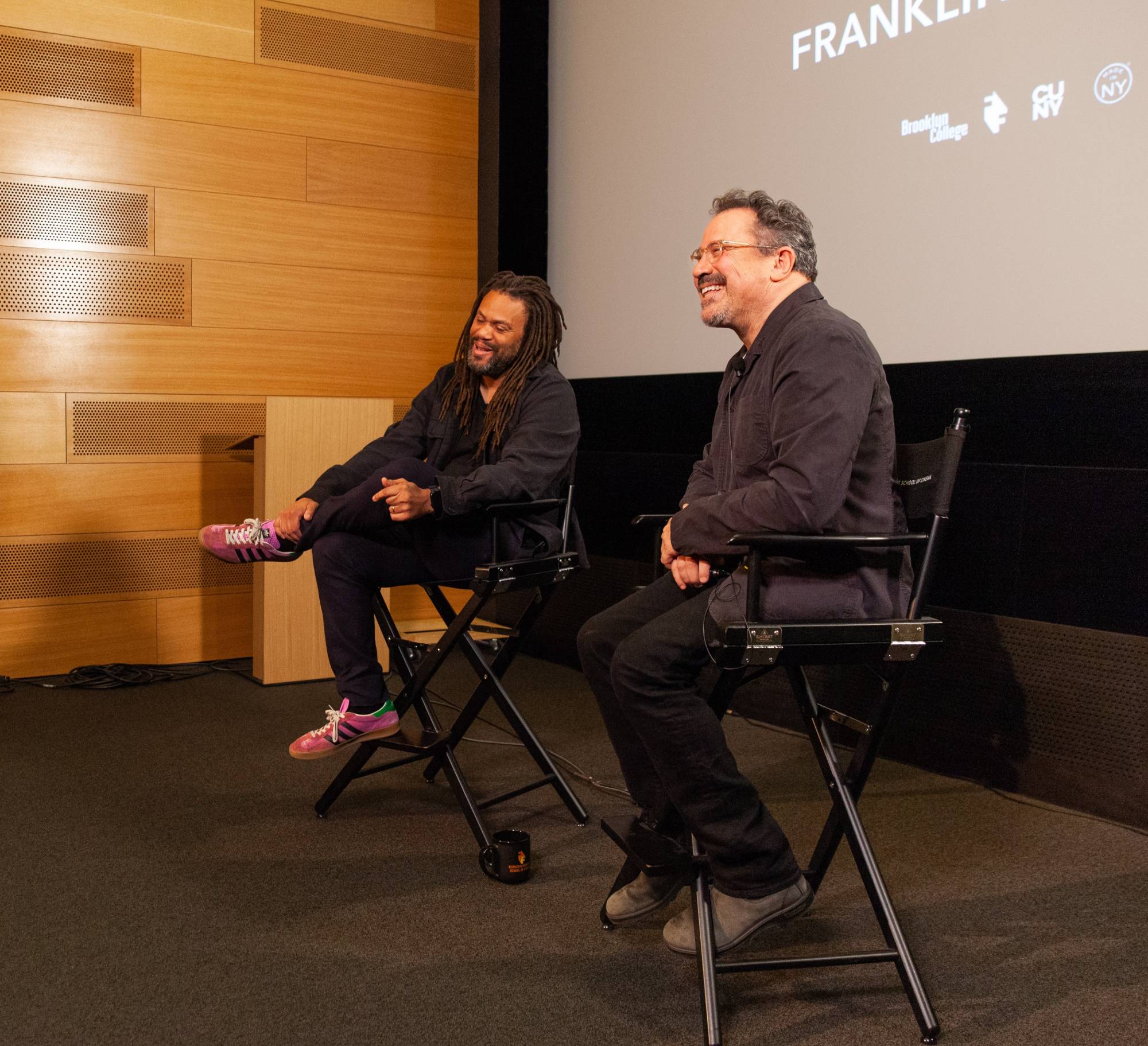
Some of the work I’m proudest of is talking about other people’s. Whether it’s Ryan Coogler about Sinners, Pam Abdy and Mike De Luca about running Warner Bros., Maha Dakhil at CAA about representing creative talent, Scott Rothkopf at the Whitney Museum about exhibiting it, or film producer Jason Blum about how to find great horror movies, a conversation that goes beyond the obvious is always the goal.
Every one of those is published and free to watch or read in full.

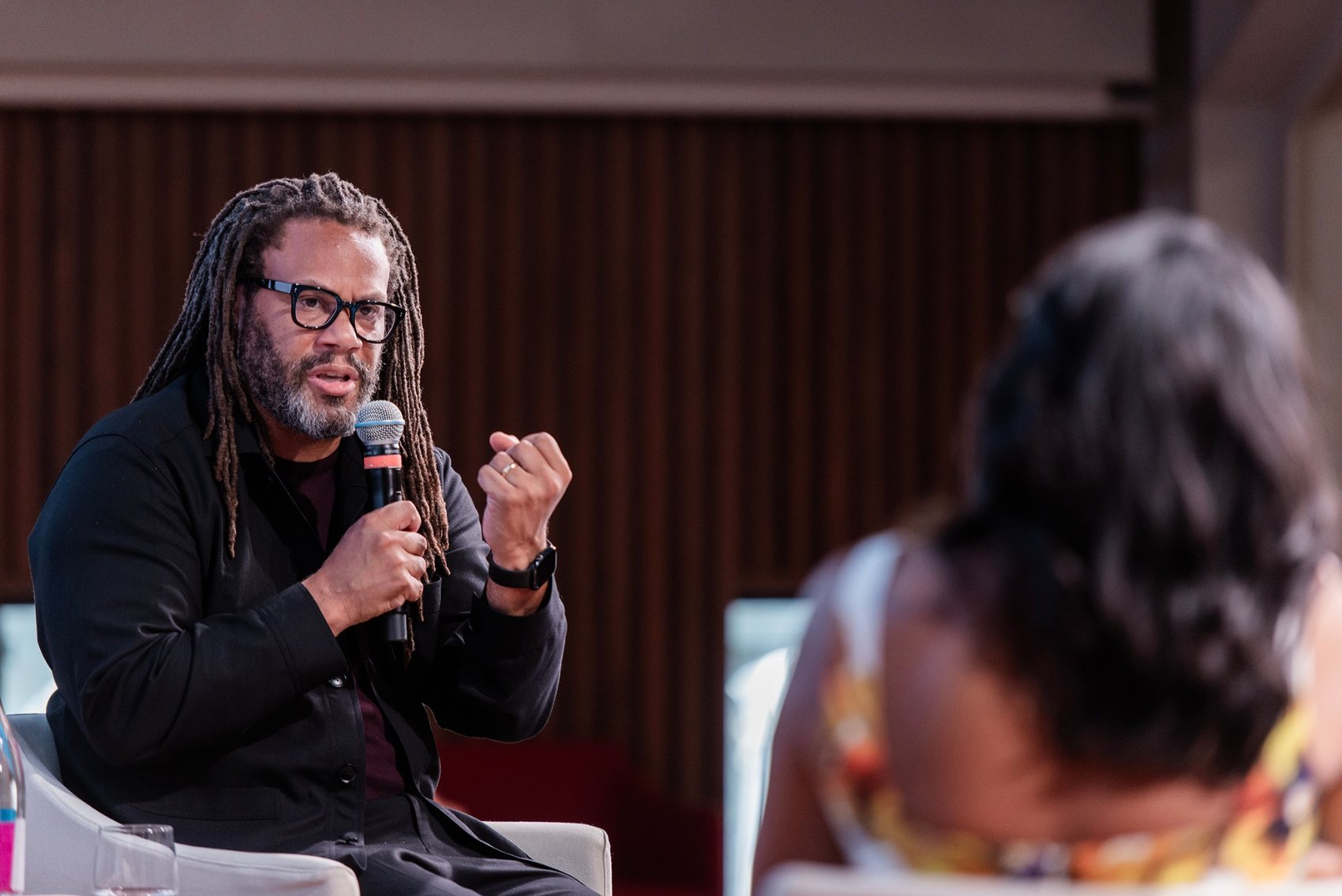
I pride myself on preparation. I read or watch everything first. I try to ask the question they’ve never heard before, then ask the right follow-up questions, and follow where they lead. I don’t do a warm bath and I don’t do an ambush, and I’ve been on the other side of enough interviews to know the difference.
If your event has somebody worth hearing from, and you want them actually heard from, get in touch.
Booking
Keynote, fireside chat, moderated Q&A, a closed session with a leadership team, or the chair opposite someone else. I’ve done all of it.
Tell me what you need. Tell me what you’re hoping for. I’ll tell you if I’m the right person for it.
Non-profit and educational events are often free or discounted, and always have been.